
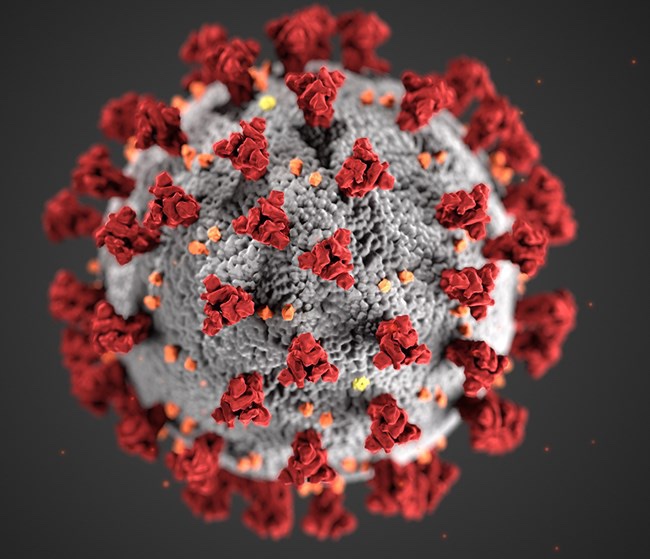
The U.S. is currently leading all other countries in COVID-19 infection rates; ahead of China where the outbreak started and well-ahead of South Korea which recorded its first case on the same day as the U.S. On Friday, March 13, President Trump declared that he does ‘not take responsibility at all’ for the failures of the coronavirus response under his administration. This came in the wake of a report coming out of the White House claiming that the President had deliberately sought to limit testing because of a fear that high infection rates would hurt his chances of re-election. With the eyes of the world on the U.S. response, it is important to reflect on how a country once regarded as a shining example of competence during pandemic crises, got to this point.
From the outset, the administration’s ability to handle a pandemic crisis had been majorly undercut years prior by Trump himself. In 2018, Donald Trump disbanded the White House pandemic response team which was put in place by the former administration to prevent and mitigate crises of this exact nature, without replacing it or redistributing its functions. This left a vacuum and meant that there wasn’t a well-structured team in place ready to handle the coronavirus response.
A golden rule in crisis management is to always have a crisis team at the ready, with a clear plan and approvals process in place. Former President George W. Bush had put into place, protocols for handling pandemic crises. These were incredibly helpful when the Swine Flu outbreak happened near the start of Former President Obama’s first term. President Obama further built on these protocols, enabling him to effectively quell the Ebola virus outbreak in the United States. Good leadership requires preparing for crisis scenarios. While President Trump now claims that no one could have foreseen the need for this, events of this nature are exactly what crisis planning is designed to handle and has done in the past.
Additionally, there was the fact that for reasons that remain undisclosed, the administration refused the testing kits provided by the World Health Organization which were already being used reliably and efficiently elsewhere in the world. Instead, the administration opted to make its own tests which were initially faulty and had to be recalled. Even after new tests were released, they remained in limited supply. Finally, instead of placing a medical professional in charge of the crisis response, Trump chose Vice President Pence to lead the response. This was despite the fact that Pence had famously botched the response to an HIV outbreak in the state of Indiana.
In a press conference on March 14th, President Trump finally declared a national state of emergency after his administration faced intense criticism for not testing widely — at that point, under 14,000 people had been tested nationally since the outbreak. This was in sharp contrast to countries such as South Korea which was at the time, testing over 20,000 people a day. With experts projecting up to 214 million infections and 1.7 million deaths in the US over the course of the pandemic, this is definitely a crisis that will require a disciplined response.
President Trump’s apparent prioritization of keeping official numbers low over identifying the real number of people infected, has also been a major factor in contributing to growing panic. On multiple occasions, Trump has boldly expressed a desire to keep cruise ships like the Diamond Princess from docking for quarantine, leaving passengers on board in a petri dish of infection — all so as to not increase the official numbers of people infected with the virus in the United States.
The handling of the coronavirus crisis by the current administration has been less than commendable. With a mixture of puzzling decisions like the decision to reject WHO tests, reports of efforts to bury information about the outbreak, and a displayed tendency to pass the buck, it is no surprise that distrust and panic directed against the US government are at levels that are unparalleled elsewhere in the world.
Recommendations:
Throughout this crisis, President Trump has failed to express sympathy towards families of those who have died as a result, instead touting his Facebook following and claiming the economy was doing great. President Trump should give a statement apologizing and expressing condolences to those already affected, including families of the deceased. Trump will need to be truthful about what his administration currently knows and how they are working to tackle the problem. He should update the public on the CDC’s timeline for test kit availability and plans for making the tests more efficient. In the mean time, he should act to make existing tests from the WHO widely available and free of charge for all who display symptoms. He should also announce efforts to support those affected, whether through fee waivers, paid leave, payment extensions etc. Going forward, updates should be provided routinely through the CDC website as well as through an official website specifically for all information related to the virus spread in the US.
 CONTROL, by Fiayo.